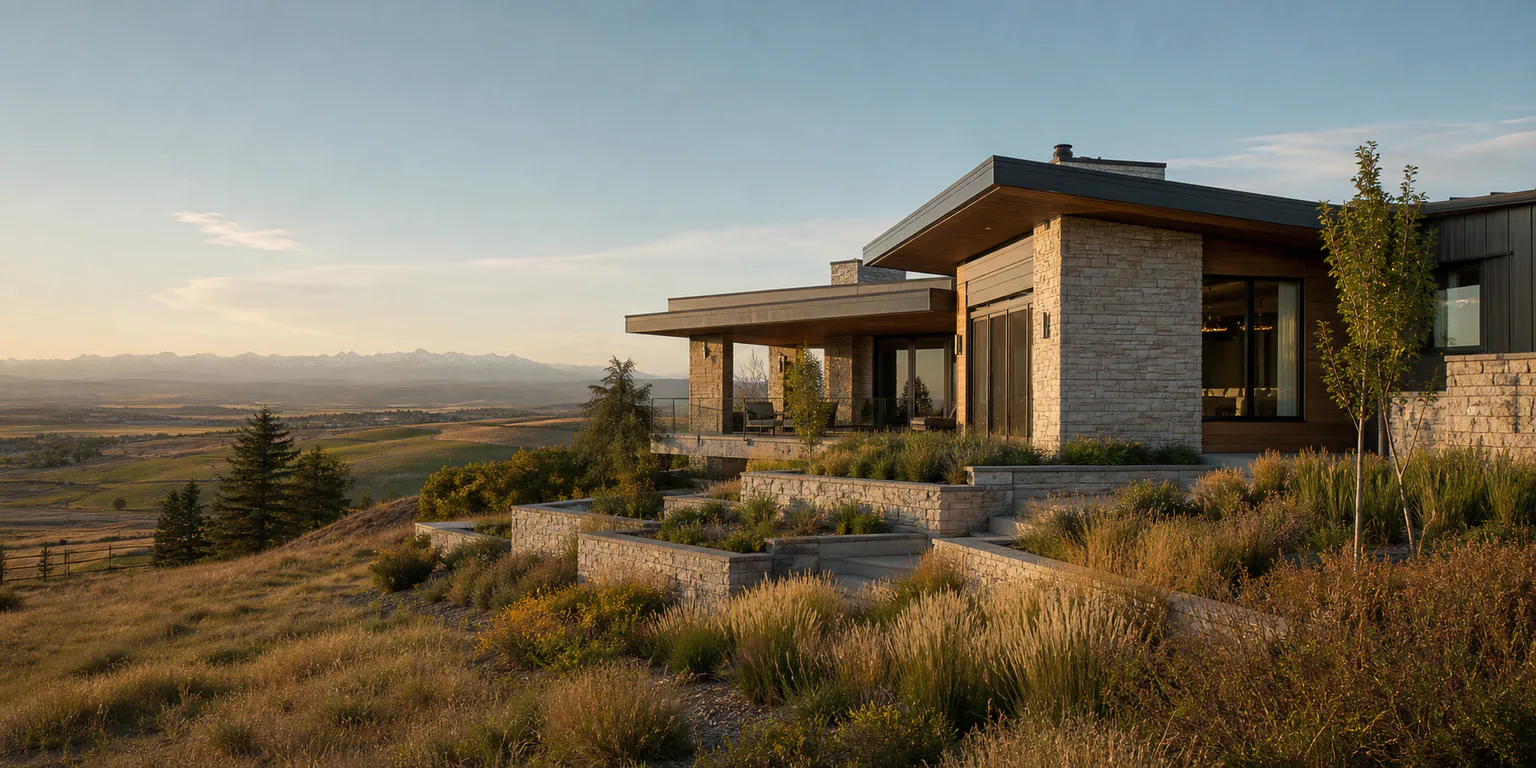
Calgary region
The regional overview comparing servicing, diligence and buyer pools.
Calgary region ↗Direct Alberta service area
On an acreage, the land is the asset and the house is an improvement on it. Dusko Sremac represents Foothills County buyers and sellers directly, and organises the diligence in the order that actually protects a decision.
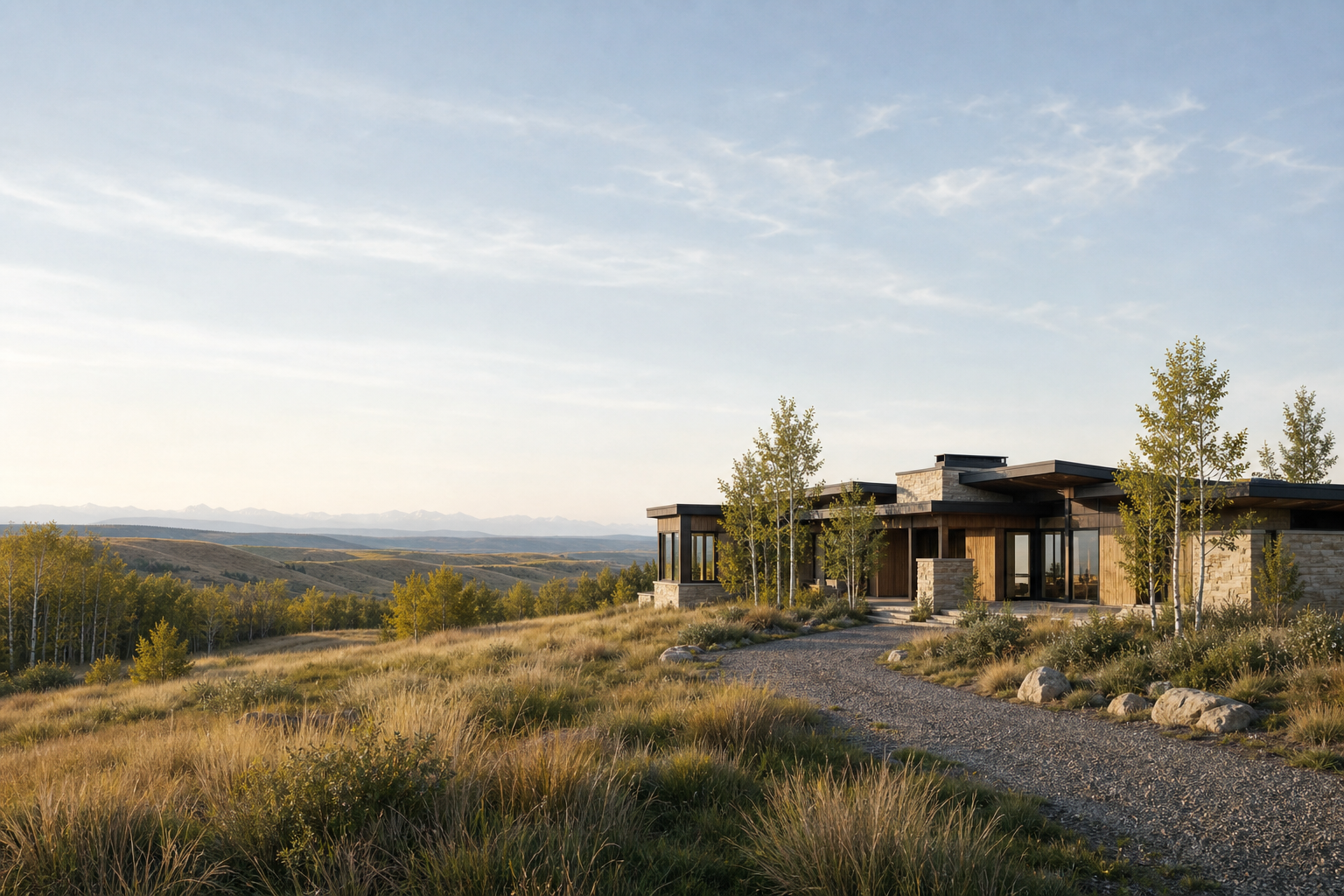
Scope of service
Foothills County is a direct service area. Dusko is licensed to trade real estate in Alberta only and represents Foothills County buyers and sellers personally through Real Estate Partners at Real Broker. This page is orientation, not legal, engineering, environmental, water-quality or lending advice.
Water is the single most consequential rural variable and the one most often waved through.
Water quality and supply conclusions belong to accredited laboratories and qualified water professionals. Nothing here substitutes for testing.
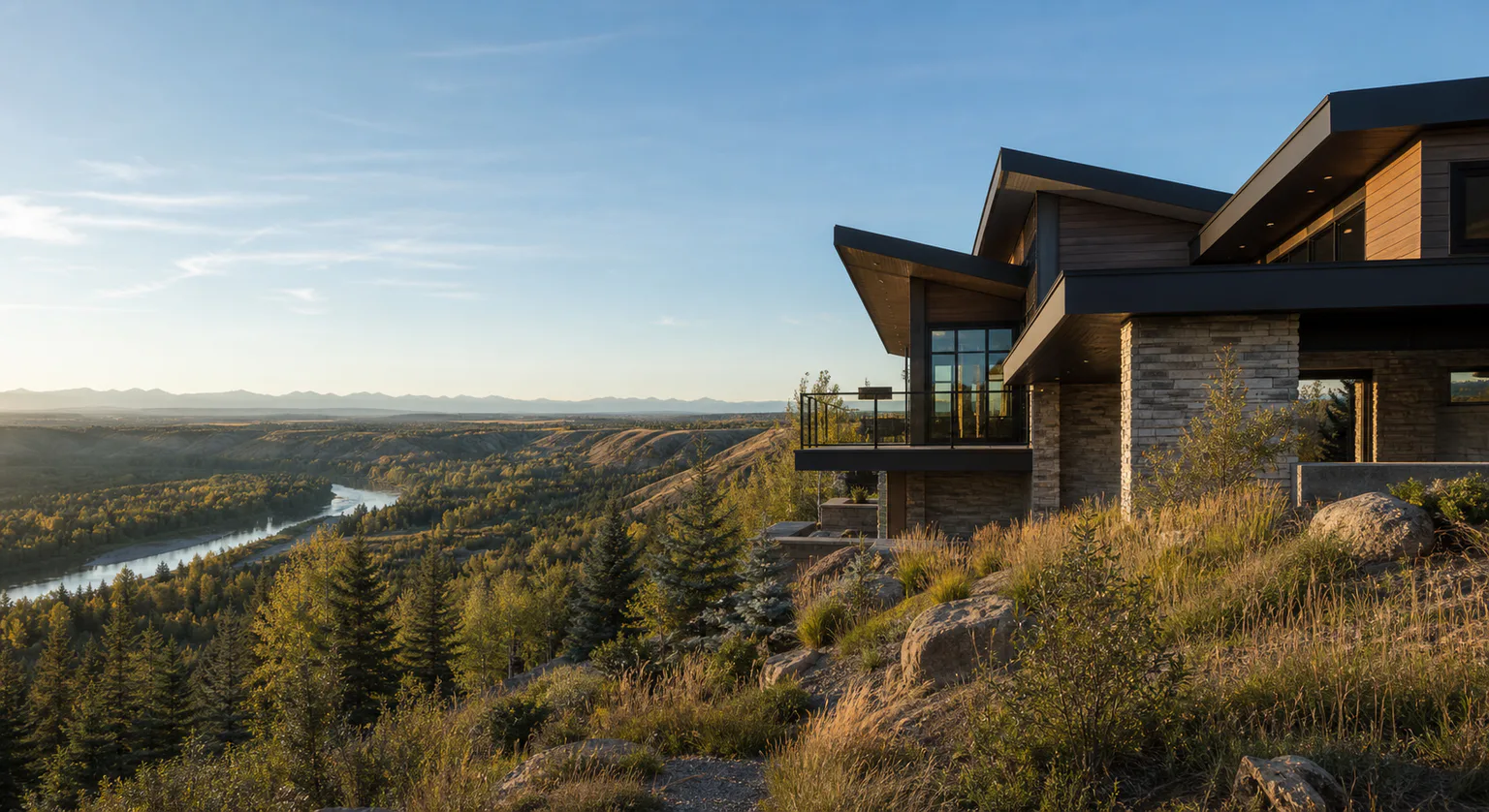
Foothills topography is much of the appeal and much of the risk. Slope stability, surface drainage, springs, wetlands, creek proximity and erosion are property-level questions, and the County publishes hazard-lands and setback material to start from.
Rural Alberta parcels can carry wells, pipelines, surface leases, access agreements or nearby energy infrastructure. Identify anything registered on title, ask about surface lease revenue and obligations, and confirm setback and access implications with the relevant operator and regulator. Treat this as a documented fact-finding exercise, not an assumption in either direction.

Ask how the last kilometre is maintained in February, who plows it, and how school buses, deliveries and emergency services reach the property. Confirm utility and connectivity realities — power reliability, natural gas or propane, and internet service — by contacting providers for the specific address rather than accepting a coverage map.
Acreage financing and insurance are not automatic. Speak to your lender and insurer early with the actual property details: parcel size, outbuildings, water and septic, heating source, wood stoves, distance to fire services and any agricultural use.
Assemble the right specialists before conditions are drafted: a rural-experienced home inspector, a private sewage professional, a water testing provider, an engineer where warranted, an insurer, a lender and a real estate lawyer.
Work through the printable due-diligence checklist and compare acreage settings on the Springbank and Bearspaw guide and the Calgary Region hub.
Related Alberta markets
The regional overview comparing servicing, diligence and buyer pools.
Calgary region ↗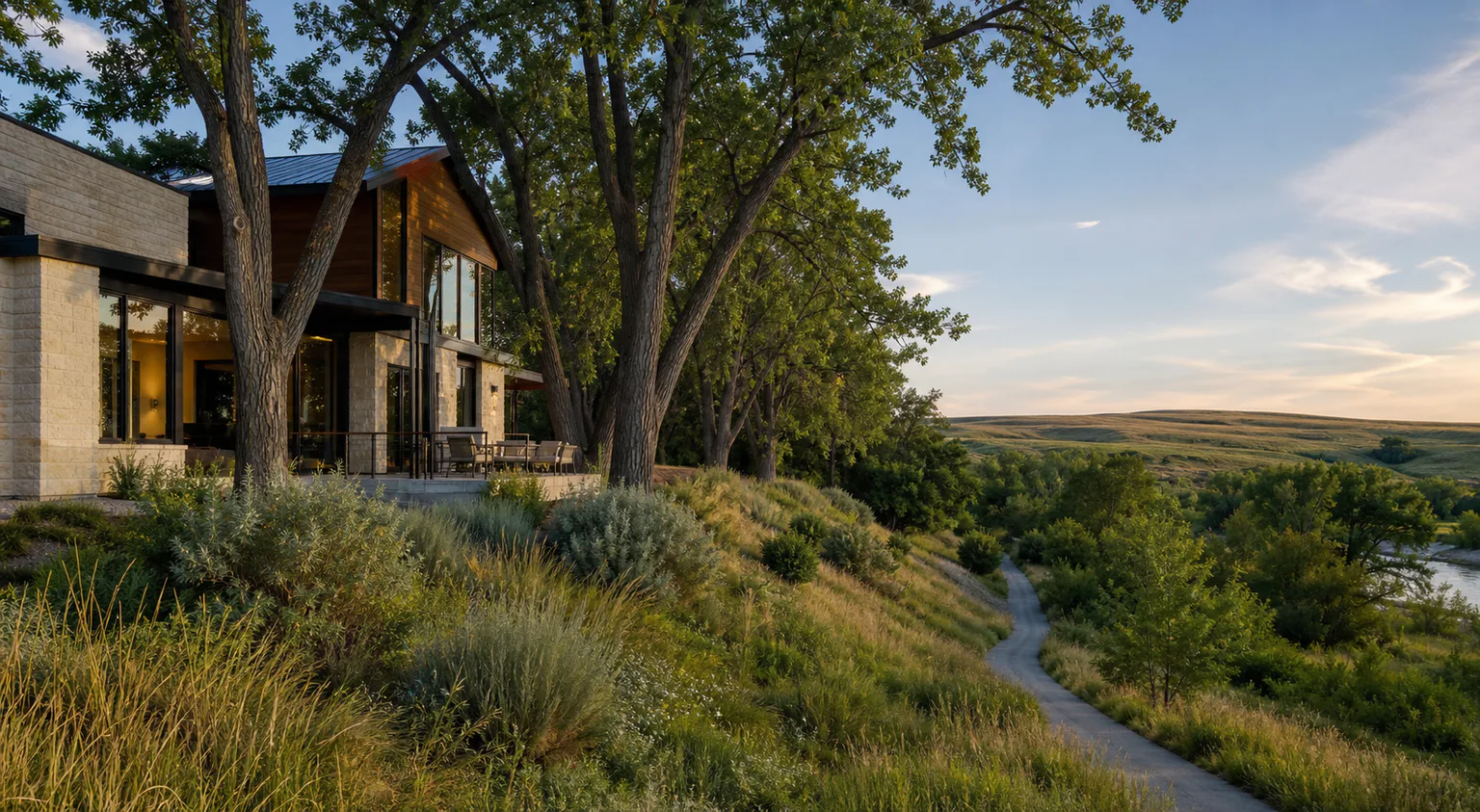
Town-serviced living at the county's northern edge.
Okotoks ↗
The county-residential comparison north and west of Calgary.
Rocky View County ↗Official records, County staff and qualified specialists determine the facts for any specific parcel. This page organises the questions; it does not answer them for your property.
Official records, municipal staff and qualified specialists determine facts for any specific property. Checked July 30, 2026; municipal documents and links change.
Private consultation
Send Dusko the listing or the legal description and he will tell you which questions to ask first, and which specialist should answer each one.